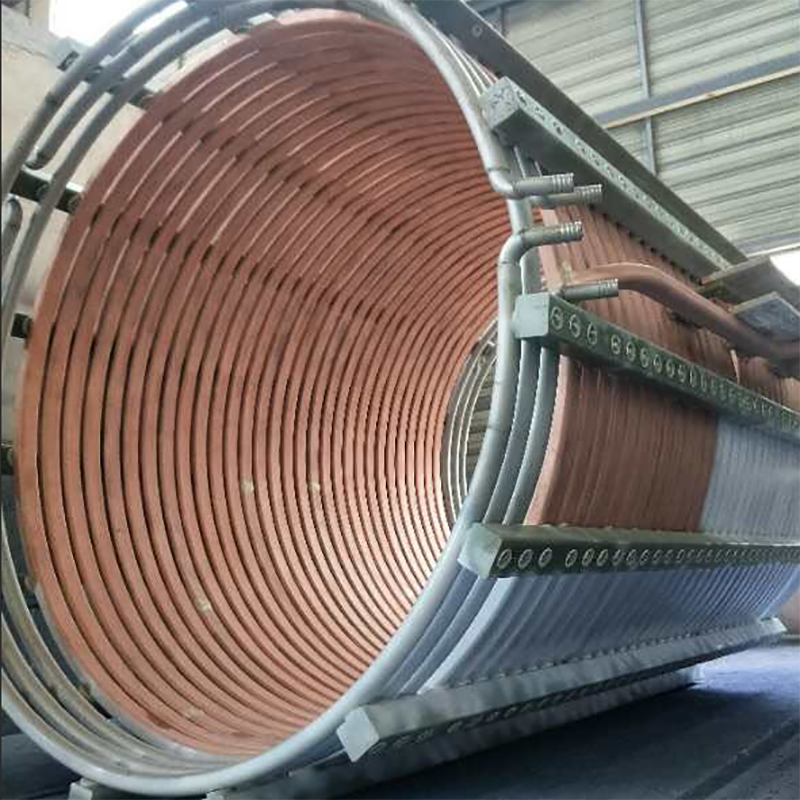
**Innovations and Trends in the Copper Melting Furnace Industry: Meeting Modern Metallurgical Demands**The copper melting furnace sector is witnessing significant advancements as manufacturers introduce cutting-edge technologies designed to enhance efficiency, reduce environmental impact, and meet the evolving demands of the metallurgical industry. Recent developments underscore a shift towards more sustainable and high-performance solutions, positioning copper melting furnaces as pivotal assets in modern metal processing.### Embracing Technological InnovationsManufacturers of copper melting furnaces have been at the forefront of integrating advanced materials and intelligent control systems into their equipment. The adoption of energy-efficient heating elements and improved insulation techniques has markedly reduced energy consumption, contributing to cost savings and lower carbon footprints. Furthermore, the integration of automated temperature regulation and real-time monitoring systems ensures precise control over melting processes, minimizing defects and optimizing output quality.### Responding to Industry NeedsThe demand for high-purity copper and copper alloys in electronics, construction, and renewable energy sectors has intensified the requirement for furnaces that deliver consistent and high-quality melts. Modern copper melting furnaces are designed to cater to these stringent standards by offering rapid melting cycles and uniform heat distribution. Enhanced refractory linings and optimized furnace geometries contribute to reduced contamination and improved furnace longevity.### Environmental and Safety ConsiderationsEnvironmental sustainability remains a top priority within the industry. Copper melting furnace manufacturers are increasingly investing in cleaner combustion technologies and exhaust treatment systems that significantly lower emissions of harmful gases and particulates. Additionally, robust safety features, including automated emergency shutdowns and advanced ventilation systems, protect workers and ensure compliance with stringent regulatory frameworks.### Company Profile: Driving Excellence in Copper Melting Solutions[Company name removed] has established itself as a leading force in the manufacture of state-of-the-art copper melting furnaces. With a commitment to innovation, quality, and customer-centric solutions, the company has developed a diverse product portfolio catering to various metallurgical applications.Founded with a vision to advance metal processing technology, the company combines extensive industry expertise with cutting-edge research and development. Its furnaces are characterized by superior energy efficiency, operational reliability, and ease of maintenance—attributes that have earned it a strong reputation among domestic and international clients.By prioritizing customization, the company ensures that its copper melting furnaces can be tailored to meet specific process requirements and production scales. This flexibility allows customers to optimize their operational efficiency and product quality, ultimately enhancing competitiveness in a demanding market.The company’s dedication to sustainability is reflected in its adoption of green manufacturing practices and development of equipment designed to minimize environmental impact. Collaborations with academic institutions and industry partners further drive its continuous innovation agenda, fostering the development of next-generation furnace technologies.### Market Outlook and Future ProspectsThe global copper melting furnace market is expected to grow steadily, propelled by rising industrialization and the expanding use of copper in emerging sectors such as electric vehicles and renewable energy infrastructure. Manufacturers are likely to focus on smart furnace systems featuring IoT connectivity and predictive maintenance capabilities that reduce downtime and improve operational efficiency.Moreover, the emphasis on environmental regulations will encourage the adoption of cleaner, more efficient furnace designs. Integration of alternative energy sources, such as electric arc and induction heating, may further revolutionize melting technologies, offering eco-friendly alternatives to traditional combustion methods.### ConclusionThe copper melting furnace industry is undergoing transformative changes driven by technological innovation, sustainability imperatives, and industry demand for superior metallurgical equipment. Manufacturers continue to evolve their offerings, delivering furnaces that enhance productivity while aligning with environmental and safety standards.With its robust portfolio and commitment to excellence, [company name removed] exemplifies the progressive spirit shaping this sector. As the market advances, such manufacturers will play a critical role in enabling the metallurgical industry to meet future challenges and seize new opportunities.---*This article highlights current trends and developments in the copper melting furnace industry, reflecting the dedication of leading manufacturers to innovation, quality, and sustainability.*
Read More